Serving Toronto & the Greater Toronto Area 24/7 Emergency Response647-494-5566
Home  /  Services  /  Asbestos Abatement
Asbestos Abatement · Toronto & GTA

Asbestos Abatement in Toronto & the GTA

When renovation or restoration work reveals asbestos-containing materials, our team plans containment, removal, disposal, and the repairs needed to move the project forward safely.

IICRC Certified · Licensed · Insured · WSIB · Bonded
Get a Free Estimate Today

Fast response. No obligation.

Call 647-494-5566 Now
Your information is secure and never shared.
IICRC CertifiedLicensedInsuredWSIBBondedToronto & GTA
Complete restoration and renovation solutions
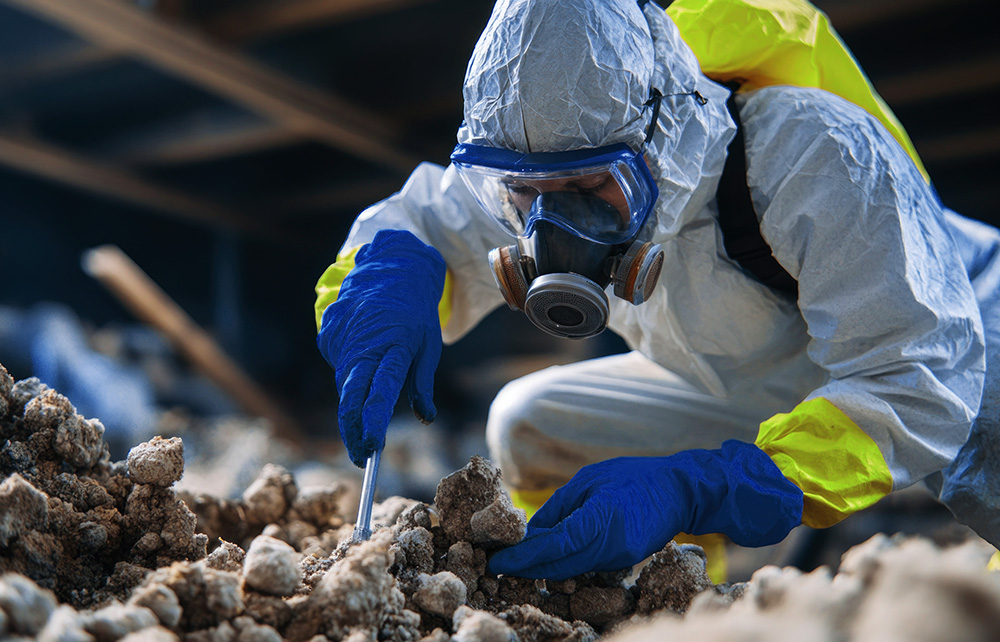
Asbestos abatement containment
Protective inspection work
Asbestos removal preparation
The Service

Asbestos abatement for restoration, renovation, and occupied buildings

Older buildings can contain asbestos in flooring, insulation, ceilings, and other materials. Speedy Construction & Restoration helps property owners and managers move from identification to controlled removal and post-abatement repair planning.

We support residential, commercial, and multi-residential projects where safety, clear communication, and minimal disruption matter.

Talk to our team ->

Abatement work can include

  • Site assessment and planning
  • Containment setup
  • Removal and disposal
  • Occupied-unit coordination
  • Renovation-ready handoff
  • Restoration and finishing support
Our Process

Our Asbestos Abatement Process

01

Step 1: Initial Inspection and Assessment

The first stage is a careful inspection of the property.

02

Step 2: Containment and Safety Measures

Proper containment prevents asbestos fibers from spreading to other areas.

03

Step 3: Controlled Removal of Asbestos

Once the containment measures are in place, asbestos materials are carefully removed using specialized techniques

04

Step 4: Waste Handling and Disposal

Proper disposal of asbestos is legally required and involves

05

Step 5: Air Quality Testing and Clearance

After removal, air quality testing confirms the absence of asbestos fibers

06

Step 6: Emergency Asbestos Removal

Sometimes asbestos exposure requires immediate action.

Common Uses

Building materials that may contain asbestos

Testing is needed before suspect material is disturbed.

Insulation Materials
Pipe, boiler, and attic insulation often contain asbestos fibers.
Flooring
Vinyl tiles and their backing sometimes include asbestos.
Roofing and Siding
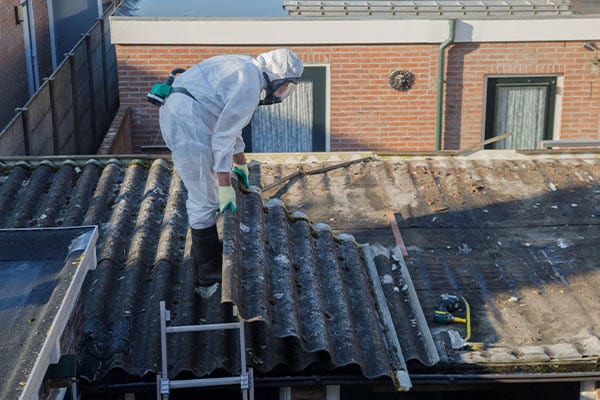
Shingles, cement sheets, and roofing felt often used asbestos for durability.
Ceiling Tiles and Popcorn Ceilings
Acoustic ceilings frequently contained asbestos for fireproofing and sound absorption.
Cement Products
Pipes, wallboards, and cement sheets were common in older residential and commercial buildings.
Fireproofing Sprays and Coatings
Structural steel and other surfaces were often treated with asbestos-based sprays.
Warning Signs

When asbestos abatement may be needed

Risk rises when older materials are damaged, dusty, or disturbed.

Common Indicators of Asbestos Presence
Asbestos was used in numerous construction materials for its fire resistance and durability.
Risk Areas in Homes and Commercial Buildings
Certain areas are more likely to contain asbestos.
Identifying Asbestos Safely
Visual inspection alone cannot confirm asbestos.
Emergency Indicators
Immediate action may be needed if asbestos is exposed or damaged during construction, renovation, or an accidental incident.
Why Speedy

Why Call Speedy Construction for Asbestos Abatement?

Careful Asbestos Handling

Asbestos work must be planned and handled carefully.

Controlled Abatement Work

Speedy Construction follows a controlled abatement process.

Emergency Asbestos Response

Unexpected asbestos exposure or damaged suspect material may need urgent containment.

Containment and Safety Practices

Speedy Construction uses containment and safety practices for asbestos abatement projects

Clear Process and Documentation

A careful asbestos project should follow applicable Ontario requirements and include

Details

Service details and frequently asked questions

Read more about assessment, cleanup, repairs, prevention, and common questions.

Common Uses of Asbestos in Buildings +

Asbestos was incorporated into many construction materials, often making it difficult to identify without proper testing. Common areas where asbestos may be present include

Asbestos abatement services can identify suspect materials, remove confirmed asbestos under containment, and reduce the risk of fiber exposure.

  • Insulation Materials: Pipe, boiler, and attic insulation often contain asbestos fibers.
  • Flooring: Vinyl tiles and their backing sometimes include asbestos.
  • Roofing and Siding: Shingles, cement sheets, and roofing felt often used asbestos for durability.
  • Ceiling Tiles and Popcorn Ceilings: Acoustic ceilings frequently contained asbestos for fireproofing and sound absorption.
  • Cement Products: Pipes, wallboards, and cement sheets were common in older residential and commercial buildings.
  • Fireproofing Sprays and Coatings: Structural steel and other surfaces were often treated with asbestos-based sprays.
  • Textiles: Protective clothing and heat-resistant fabrics sometimes contained asbestos.
Health Hazards of Asbestos +

Inhalation of asbestos fibers can lead to severe and potentially fatal diseases. Key health hazards include

  • Asbestosis: Chronic lung disease causing scarring and breathing difficulties.
  • Lung Cancer: Prolonged exposure significantly increases the risk.
  • Mesothelioma: Aggressive cancer affecting the lung, abdomen, or heart lining.
  • Pleural Disorders: Pleural thickening and effusions may occur.
  • Respiratory Problems: Early signs include coughing, wheezing, and shortness of breath.
Legal Regulations for Asbestos Handling +

Handling asbestos is strictly regulated in Ontario. Key requirements include

  • Contractor Requirements: Asbestos removal should be handled by contractors who meet Ontario requirements for the work.
  • Abatement Procedures: Trained crews follow containment, removal, and disposal procedures designed to limit exposure.
  • Containment and Safety Measures: Proper containment, personal protective equipment, and air filtration systems are mandatory.
  • Waste Disposal: Asbestos must be disposed of at designated hazardous waste facilities.
  • Emergency Procedures: Urgent asbestos response may be needed when damaged materials create an immediate exposure risk.
Signs You May Have Asbestos +

Detecting asbestos in residential or commercial properties requires careful attention, as the mineral is often hidden within building materials. Asbestos abatement services provide precise identification, but understanding common signs and risk areas can help property owners recognize potential hazards. Early detection allows timely intervention and reduces exposure risks.

Common Indicators of Asbestos Presence

Asbestos was used in numerous construction materials for its fire resistance and durability. Look for these signs

  • Aged Insulation: Pipe, boiler, or attic insulation that appears frayed, deteriorated, or unusually dusty may contain asbestos.
  • Flooring Materials: Vinyl tiles, linoleum, and their backing installed before the 1980s often contained asbestos.
  • Ceiling Finishes: Popcorn ceilings or acoustic tiles in older buildings can harbor asbestos fibers.
  • Roofing and Siding: Weathered shingles, cement sheets, or roofing felt may include asbestos.
  • Wallboards and Cement Panels: Older drywall, cement sheets, and partition walls could contain asbestos.
  • Fireproofing Coatings: Sprayed fireproofing or insulation on structural steel may have asbestos content.
  • Textile Products: Heat-resistant fabrics used in industrial or laboratory settings may contain asbestos.

Risk Areas in Homes and Commercial Buildings

Certain areas are more likely to contain asbestos. Property owners should be especially vigilant in

A trained asbestos abatement crew can assess these higher-risk areas without disturbing suspect materials unnecessarily.

  • Attics, basements, and crawl spaces
  • Boiler rooms and mechanical closets
  • Older kitchens and bathrooms
  • Roof structures and exterior siding
  • Ceilings in older offices, schools, or commercial spaces

Identifying Asbestos Safely

Visual inspection alone cannot confirm asbestos. Signs that warrant testing include

Proper sampling and laboratory analysis can confirm whether asbestos is present and guide a safe removal plan.

  • Crumbling or damaged insulation
  • Dust or debris resembling white or gray fibers
  • Renovation areas where building materials are disturbed
  • Unexplained respiratory issues in occupants

Emergency Indicators

Immediate action may be needed if asbestos is exposed or damaged during construction, renovation, or an accidental incident. Warning signs include

  • Torn or disturbed insulation around pipes or boilers
  • Broken ceiling tiles or wallboards releasing dust
  • Visible fibers during demolition or remodeling
  • Uncontained asbestos debris after fire or water damage
Our Asbestos Abatement Process +

Safe asbestos removal requires a controlled process. Speedy Construction can help assess suspect materials, set up containment, remove affected materials, and coordinate disposal with attention to occupant and worker safety.

Step 1: Initial Inspection and Assessment

The first stage is a careful inspection of the property. Key activities include

This step helps make sure the abatement process is precise and that all potential hazards are addressed.

  • Identifying materials that may contain asbestos
  • Noting areas of potential fiber release or deterioration
  • Collecting samples for laboratory testing
  • Evaluating the scope of abatement needed
  • Developing a detailed plan for safe removal

Step 2: Containment and Safety Measures

Proper containment prevents asbestos fibers from spreading to other areas. This step includes

These controls help keep asbestos fibers from spreading during removal.

  • Establishing regulated work zones with barriers and warning signs
  • Using negative air pressure systems to contain airborne fibers
  • Equipping workers with personal protective equipment (PPE), including respirators, gloves, and suits
  • Sealing vents, doors, and openings to prevent contamination

Step 3: Controlled Removal of Asbestos

Once the containment measures are in place, asbestos materials are carefully removed using specialized techniques

This step is critical to minimizing exposure and maintaining a safe environment throughout the property.

  • Wetting asbestos materials to reduce fiber release
  • Removing materials systematically to prevent breakage or dust
  • Using hand tools or vacuum systems with HEPA filtration for precision
  • Collecting all debris in sealed, labeled containers for safe transport

Step 4: Waste Handling and Disposal

Proper disposal of asbestos is legally required and involves

Waste handling must follow applicable municipal and provincial requirements.

  • Transporting materials in sealed, leak-proof containers
  • Labeling waste as asbestos-containing for regulatory compliance
  • Delivering waste to approved hazardous waste facilities
  • Documenting removal and disposal for regulatory records
  • Painting, tiling, and final touches

Step 5: Air Quality Testing and Clearance

After removal, air quality testing confirms the absence of asbestos fibers

Clearance testing helps confirm whether the affected area is ready for re-occupancy.

  • Sampling air in multiple locations within the property
  • Analyzing results in accredited laboratories
  • Issuing clearance certificates to confirm the space is safe for re-occupancy

Step 6: Emergency Asbestos Removal

Sometimes asbestos exposure requires immediate action. An emergency response can help

  • Rapidly contain and isolate affected areas
  • Remove hazardous materials safely and efficiently.
  • Guide temporary evacuation if needed.
  • Ensure compliance with health and safety regulations during an urgent situation.
Benefits of Proper Asbestos Abatement +

Proper asbestos abatement helps protect occupants, workers, and property owners. Handling asbestos without the right controls is hazardous, so the work should follow a careful plan from inspection through clearance.

Safer Conditions for Occupants and Workers

Asbestos fibers are microscopic and can become airborne when disturbed. A controlled abatement process helps provide

Using a qualified asbestos crew reduces the chance of avoidable exposure during removal.

  • Safe containment and removal of asbestos materials
  • Minimal exposure for residents, employees, and contractors
  • Use of personal protective equipment (PPE) and specialized tools
  • Implementation of negative air pressure systems to prevent fiber spread

Compliance with Legal Regulations

Ontario and municipal regulations strictly govern asbestos handling, removal, and disposal. Controlled abatement work provides

A documented process helps protect occupants and reduces compliance risk for property owners.

  • Adherence to provincial safety standards and laws
  • Proper waste handling and disposal at approved facilities
  • Accurate documentation of abatement procedures for legal compliance
  • Reduced risk of fines or legal consequences for property owners

Careful Assessment and Removal

A trained asbestos crew understands how different materials behave when disturbed. Key benefits include

That planning matters most when damaged materials need urgent containment and removal.

  • Accurate identification of asbestos-containing materials in older properties
  • Specific removal strategies based on material type and location
  • Systematic procedures to prevent contamination
  • Thorough post-abatement air quality testing

Avoiding Costly Mistakes

While DIY removal may appear cheaper, services prevent costly mistakes. Trained abatement offers

  • Reduced risk of secondary contamination and property damage
  • Minimized potential health-related expenses due to accidental exposure
  • Efficient removal that saves time and resources
  • Prevention of legal penalties for improper handling
Why Call Speedy Construction for Asbestos Abatement? +

Selecting the right partner for asbestos removal is critical for safety, compliance, and efficiency. Speedy Construction helps with asbestos abatement for residential and commercial properties, using a controlled process built around containment, removal, disposal, and documentation.

Careful Asbestos Handling

Asbestos work must be planned and handled carefully. Our team can

  • Conduct thorough inspections to identify asbestos-containing materials
  • Follow standardized protocols for containment, removal, and disposal.
  • Maintain full compliance with provincial and municipal regulations.
  • Provide accurate documentation of all abatement procedures.
  • Working with trained crews reduces the risk of contamination, legal penalties, and health hazards for property owners and occupants.

Controlled Abatement Work

Speedy Construction follows a controlled abatement process. That means

  • Workers are trained to handle all types of asbestos safely
  • Removal procedures minimize fiber release and exposure.
  • Specialized equipment is used for containment, air filtration, and safe disposal.
  • Complete post-abatement testing and clearance certification
  • A controlled process helps property owners understand what was removed, how it was handled, and when the area can be used again.

Emergency Asbestos Response

Unexpected asbestos exposure or damaged suspect material may need urgent containment. Our emergency response can help

  • Contain and isolate hazardous areas
  • Safely remove asbestos before it poses health risks.
  • Minimize disruption to property use.
  • Ensure compliance with all safety and legal standards.
  • Prompt containment reduces the chance that fibers spread to other areas.

Containment and Safety Practices

Speedy Construction uses containment and safety practices for asbestos abatement projects

  • Establishing regulated work zones with barriers and warning signs
  • Using negative air pressure systems to prevent fiber spread
  • Equipping personnel with personal protective equipment (PPE)
  • Monitoring air quality during and after removal to reduce risk

Clear Process and Documentation

A careful asbestos project should follow applicable Ontario requirements and include

Property owners get a clear process, careful containment, and documentation for the work completed.

  • Legal compliance documentation
  • Safe handling and disposal of asbestos materials
  • Reduced liability and minimized exposure risks
  • Assurance that residential or commercial properties are safe for re-occupancy
Asbestos Safety Tips +

When asbestos may be present, do not disturb the material. Property owners can reduce exposure risk by isolating suspect areas and arranging proper assessment before renovation or cleanup.

General Safety Practices

These basic precautions reduce the likelihood of airborne fibers and minimize health risks.

  • Avoid Disturbing Materials: Do not drill, sand, or break materials suspected to contain asbestos.
  • Seal Off Areas: Restrict access to areas where asbestos may be present.
  • Proper Ventilation: Keep asbestos-containing areas isolated from HVAC systems to prevent fiber spread.
  • Do Not Sweep or Vacuum: Use HEPA-filtered vacuums if cleaning is required; avoid dry sweeping.
  • Label and Identify: Clearly mark areas with asbestos to prevent accidental exposure.

Personal Protective Measures

When asbestos may be present, personal protection matters:

  • Wear respirators approved for asbestos exposure.
  • Use disposable gloves and protective suits when handling materials.
  • Avoid wearing contaminated clothing outside the work area.
  • Wash thoroughly after exposure to any potentially contaminated environment.
  • Trained crews use these measures to reduce exposure for workers and occupants.

Emergency Preparedness

Emergencies involving damaged suspect materials require immediate action

  • Contact an asbestos abatement contractor immediately.
  • Evacuate the affected area to prevent exposure.
  • Avoid disturbing debris or dust.
  • Use an emergency asbestos response for containment and safe removal.
  • Prompt action is crucial to prevent long-term health hazards in urgent situations.

Safe Renovation Practices

Renovations in older homes or buildings may uncover asbestos. Safety guidelines include

  • Arrange an asbestos inspection before renovations.
  • Hire an asbestos abatement crew to handle identified materials.
  • Seal off work areas with plastic sheeting and negative air pressure systems.
  • Properly dispose of all materials at approved hazardous waste facilities.
  • Following these precautions helps prevent renovations from releasing asbestos fibers.

Maintenance and Monitoring

Regular maintenance helps minimize risk

Proactive monitoring helps prevent accidental exposure and helps ongoing safety.

  • Inspect older insulation, flooring, and ceiling materials periodically.
  • Monitor high-risk areas such as attics, basements, and boiler rooms.
  • Keep accurate records of asbestos-containing materials and removal activities.
  • Schedule routine inspections when suspect materials remain in place.
Asbestos Abatement FAQs +

1. What is asbestos, and why is it dangerous?

Asbestos is a fibrous mineral once used in construction for insulation and fireproofing. Inhalation of airborne fibers can cause lung diseases, mesothelioma, and cancer. Asbestos abatement services support safe identification, removal, and disposal, reducing exposure risk in residential and commercial properties.

2. How do I know if my property has asbestos?

Older buildings often contain asbestos in insulation, ceiling tiles, flooring, and roofing. Visual inspection is not enough. Suspect materials should be sampled and tested properly. Risk areas include attics, basements, boiler rooms, and older wallboards.

3. Can I remove asbestos myself?

DIY asbestos removal is dangerous and may violate Ontario requirements. A qualified asbestos contractor follows containment protocols, uses protective equipment, and sends waste to approved facilities. Proper abatement reduces the risk of fiber exposure.

4. What are the steps in asbestos abatement?

A standard asbestos abatement process includes inspection, containment, safe removal, proper disposal, and air quality testing. Trained crews use PPE, negative air pressure, and wet removal techniques. Emergency asbestos response is available for urgent situations where damaged materials may expose occupants.

5. How long does asbestos removal take?

The timeline depends on property size, asbestos type, and complexity. An asbestos abatement crew assesses materials, plans removal, and sets safety measures before work begins. Small residential projects may take a few days, while larger commercial buildings require extended planning. Air quality testing helps confirm when the area is ready for re-occupancy.

6. What are emergency asbestos removal services?

Emergency asbestos response addresses sudden exposure or damage to asbestos-containing materials. A trained crew can contain the area, remove hazardous materials safely, and limit fiber spread. Immediate intervention reduces exposure risk and protects occupants in residential or commercial properties.

7. How is asbestos disposed of safely?

Asbestos waste should be transported in sealed, labeled containers to approved hazardous waste facilities. Proper disposal helps prevent environmental contamination and supports compliance with Ontario requirements.

8. Are there regulations for asbestos removal?

Yes. Ontario has rules for asbestos handling, removal, disposal, and worker protection. Asbestos abatement should follow containment, removal, disposal, and air quality protocols to reduce liability and protect occupants from exposure.

9. Can asbestos be left in place if it’s undisturbed?

Undisturbed asbestos may remain safe; however, deterioration or damage increases risks. Regular monitoring is recommended when suspect materials remain in place. Any renovation or accidental disturbance should involve an asbestos abatement contractor. Immediate containment helps prevent fibers from becoming airborne.

10. Why hire an asbestos abatement contractor?

Proper asbestos abatement provides controlled removal, disposal, and documentation. A qualified contractor manages containment and handling, which reduces exposure risk and helps maintain air quality. Emergency response is available for urgent situations that may put occupants at risk.

Service Area

Asbestos abatement across Mississauga and the GTA

In Mississauga and across the Greater Toronto Area, asbestos abatement should be handled with containment, proper disposal, and care to reduce exposure risk.

See service areas ->
Related Services

Often needed alongside

Asbestos concerns often appear during these projects.

Related Guides

Learn more about asbestos restoration

Get Help Now

Do not disturb suspect asbestos materials.

When asbestos may be present, do not disturb the material. Property owners can reduce exposure risk by isolating suspect areas and arranging proper assessment before renovation or cleanup.

IICRC Certified · Licensed · Insured · WSIB · Bonded · Serving Toronto & the GTA
Call 24/7Estimate