We identify moisture sources, contain affected areas, remove mould-damaged materials, clean surfaces, and help prevent the issue from returning in homes, businesses, and multi-residential properties.
Fast response. No obligation.
Call 647-494-5566 Now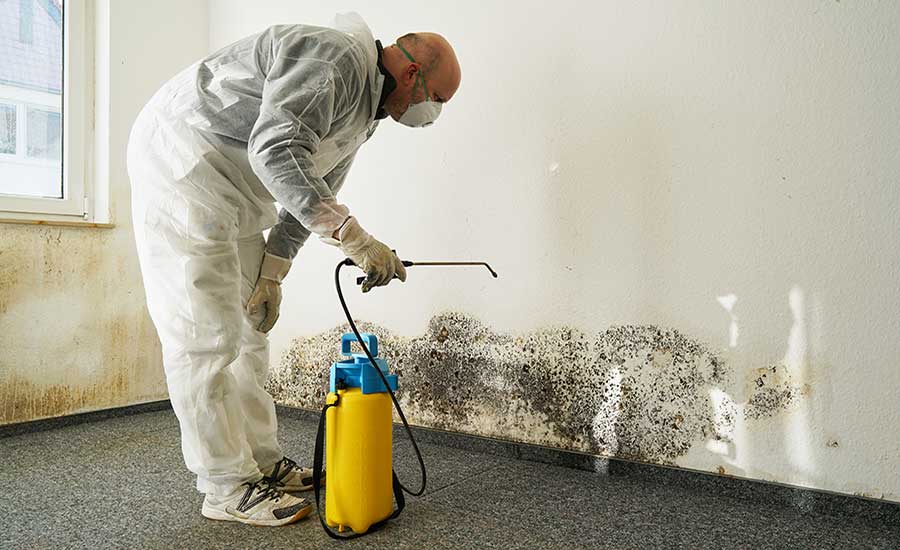

Mould is a symptom, not the problem. Speedy Construction & Restoration works across Mississauga, Toronto and the GTA to find the moisture source first, contain the affected area, remove damaged material where it cannot be cleaned, and correct the conditions that let growth start. Remove growth without fixing the water behind it and it comes back in the same spot.
The goal is a cleaner, safer, more stable property, with practical repair planning if water damage or poor ventilation has affected walls, flooring, ceilings, or shared building spaces.
Talk to our team ->We inspect the property for visible mould, water damage, and the conditions mould needs to grow.
Air and surface samples tell us the type and concentration of mould present.
We seal off the affected area with barriers and negative air pressure so spores cannot travel to clean parts of the building.
Materials that are too far gone, such as heavily infested drywall, insulation, or carpeting, are carefully removed and disposed of safely.
Surfaces are cleaned and treated with antimicrobial solutions, while HEPA vacuums and air scrubbers capture airborne spores.
We deal with the water source that fed the mould.
The risk is tied to health, structure, air quality, and moisture.
Hidden growth often shows up through odour, staining, moisture, or symptoms.
Southern Ontario gives mould most of what it needs.
Containment and access differ by building.
Our technicians handle mould jobs of every size, from condo bathrooms to commercial spaces.
From first inspection to final repair, we take care of:
Mould work done carelessly puts people at risk.
Finding mould you cannot see takes more than a flashlight.
No two mould jobs are identical.
Mould disrupts your life.
Read more about assessment, cleanup, repairs, prevention, and common questions.
Mould is not a cosmetic issue. Left alone, it lowers indoor air quality, damages drywall, wood, and insulation, and can make people sick, especially children, seniors, and anyone with asthma or allergies. The sooner it is dealt with properly, the smaller the job and the lower the cost.
Mould releases tiny spores into the air, and breathing them in can trigger allergic reactions and breathing problems. People with asthma, weakened immune systems, or sensitivities to allergens feel it most. Common complaints linked to mould exposure include:
The longer the exposure, the worse symptoms can get, particularly for children, older adults, and people with compromised immune systems. Removing the mould properly is the only reliable way to make the space safe again.
Mould grows on wood, drywall, carpet, and insulation. Given enough time, it breaks these materials down and turns a small problem into expensive repairs. Untreated mould can cause:
Mould does not stay in one place. The longer it sits, the deeper it works into building materials and the further it spreads into hidden areas. Over time, that can mean:
Catching mould early keeps the job smaller, the cost lower, and the building safer.
Done properly, remediation protects more than your walls. It protects:
Remediation is not just cleanup. It is protection for the people in the building and for the value of the property itself. The earlier it happens, the better the result.
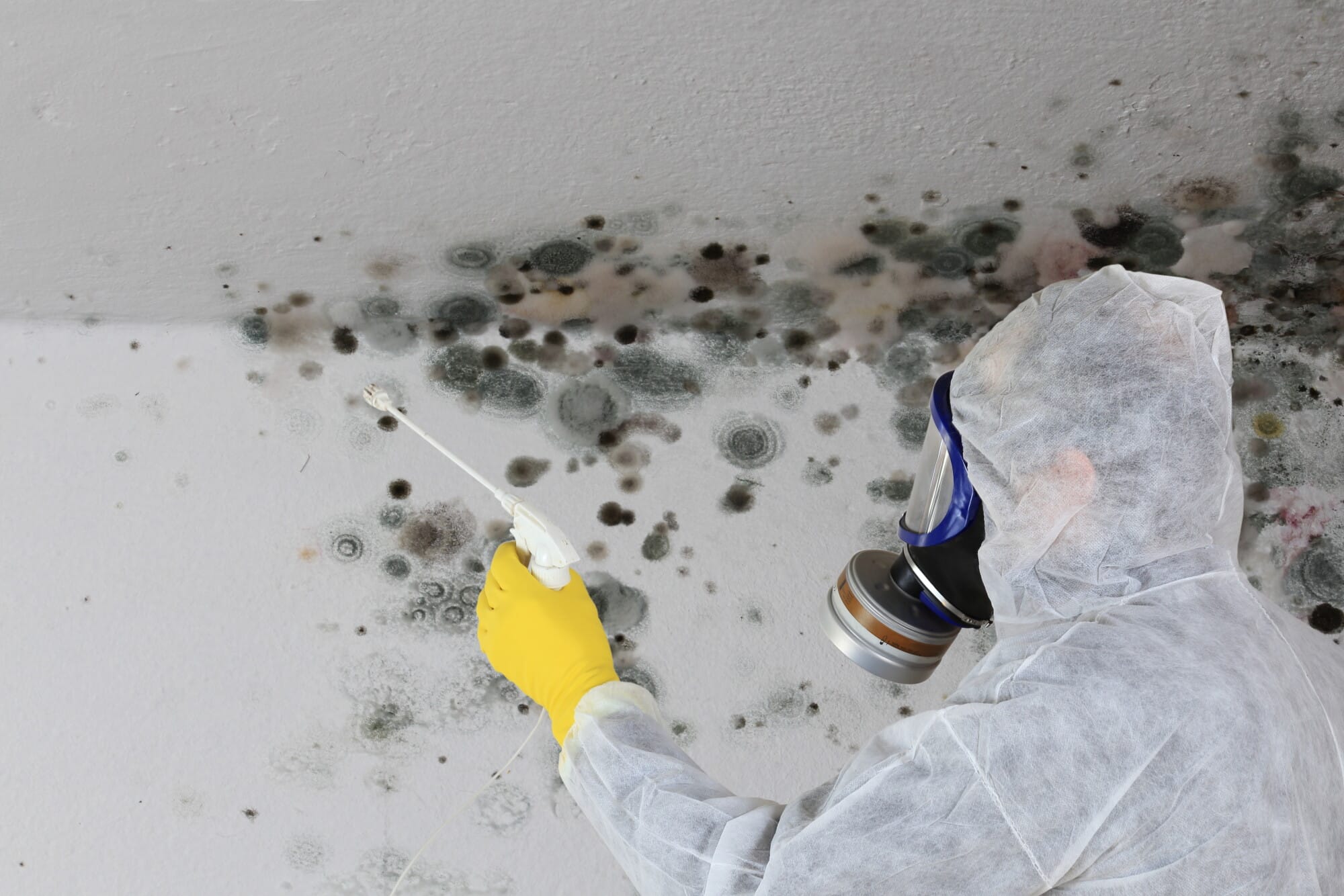
Mould remediation means finding mould, removing it safely, and fixing the conditions that caused it. It is not the same as wiping a wall with bleach. Surface cleaning only touches what you can see. Remediation deals with the growth you cannot see, and with the moisture that feeds it, so the problem does not come back.
Every job starts with a careful assessment: where the mould is, what type it is, and how far it has spread. That assessment shapes the plan. From there, we contain the work area, remove materials that cannot be saved, clean and treat the rest, and repair the moisture problem that started it all.
The mould you can see is often only part of the story. Growth inside walls, above ceilings, and in ventilation systems keeps releasing spores if it is left untreated. Finding and dealing with those hidden areas is what makes a remediation complete.
The right approach depends on the type of mould and how far it has spread. A typical job involves:
Every job we take on is built around the same goals:
Mould is easy to underestimate. Scrubbing it yourself can stir spores into the air and spread them through the building, and partial cleaning almost always means it returns. Our technicians use proper containment, detection tools, and established removal methods. That is the difference between mould that is gone and mould that is hiding.
Mould usually starts where you cannot see it, which makes it easy to miss. Humid weather, water leaks, and older buildings make it even more common. Knowing the warning signs helps you act before a small patch becomes a major job.
Some mould is easy to spot. Much of it stays hidden until it starts affecting air quality or the building itself. Watch for:
A small spot on a bathroom ceiling might be manageable on your own. Call in a remediation team when:
Mould spores are microscopic and travel through the air, so the patch you see is often a small part of the whole colony. Disturbing mould without containment can seed it into other rooms. Proper detection and containment stop that spread.
Waiting makes everything worse. The longer mould is left alone, the more you risk:
Keep an eye on areas that stay damp, check carefully after any water damage, and act as soon as something seems off. If you are not sure what you are looking at, we can assess the property and tell you exactly what you are dealing with: the type of mould, how far it has spread, and where the moisture is coming from.
Every property is different, but our approach follows the same careful sequence. The goal never changes: remove the mould you can see, find the mould you cannot, and leave the space safe to live or work in. Here is how a typical job runs.
We inspect the property for visible mould, water damage, and the conditions mould needs to grow. We also check the places it likes to hide: behind walls, under flooring, and inside ventilation systems. This sets the scope of the job.
Air and surface samples tell us the type and concentration of mould present. That shows how far contamination has spread and shapes the right approach.
We seal off the affected area with barriers and negative air pressure so spores cannot travel to clean parts of the building. This step matters on every job, in homes and commercial spaces alike.
Materials that are too far gone, such as heavily infested drywall, insulation, or carpeting, are carefully removed and disposed of safely.
Surfaces are cleaned and treated with antimicrobial solutions, while HEPA vacuums and air scrubbers capture airborne spores.
We deal with the water source that fed the mould. Dehumidifiers, fans, and repairs bring moisture back to normal levels so mould has nothing to live on.
We repair or replace what was removed, whether that means new drywall, flooring, or paint, so the space is whole again.
Before we call a job done, we re-inspect to confirm the mould is gone and the conditions that caused it have been addressed.
Mould is stressful. It affects your health, your property, and your routine. You want a crew that shows up, finds all of it, removes it safely, and gives you a straight answer about what it will take. That is how we work, for homeowners and businesses across the Greater Toronto Area.
Our technicians handle mould jobs of every size, from condo bathrooms to commercial spaces. In practice, that means:
From first inspection to final repair, we take care of:
Mould work done carelessly puts people at risk. We protect your household and our crew with:
Finding mould you cannot see takes more than a flashlight. We use:
No two mould jobs are identical. We adjust the plan to fit:
Mould disrupts your life. Our job is to fix it with as little added disruption as possible:
When you call Speedy Construction, you get a straight answer, careful work, and a space that is safe again. If you suspect mould in your home or business, call us any time at 647-494-5566 and we will walk you through the next step.
Cleaning treats what you can see. Remediation goes further. We find hidden mould, remove materials that cannot be saved, treat the affected areas, and fix the moisture problem. That is what stops the mould from coming back.
We are based in Mississauga and work across the region, so we can usually assess a mould problem quickly. Once we are on site, we contain the area and get to work, limiting further damage to your property.
Yes. We use EPA-approved antimicrobial treatments, HEPA filtration, and sealed containment to keep spore exposure down. Our technicians follow strict safety procedures, and the products we use are selected with children, pets, and other occupants in mind.
Hidden mould grows in wall cavities, under flooring, in attics, and inside ductwork. Musty smells, old water stains, and unexplained allergy symptoms are common clues. We use moisture meters, infrared cameras, and air sampling to find what a visual check would miss.
Cost depends on the size of the affected area, the severity of the growth, the materials involved, and the complexity of the job. Access challenges, testing, and any needed repairs also factor in. After an assessment, we provide a clear estimate before any work begins.
It can, if the underlying moisture problem is not fixed. That is why we deal with the source, not just the growth, and give you practical advice on ventilation and humidity. Take away the moisture, and mould has a much harder time coming back.
Yes. We work in houses, condos, apartments, offices, warehouses, and retail spaces. The plan changes with the building, but the goal stays the same: safe, thorough removal.
It depends on the size and location of the growth. A smaller residential job may take a day or two, while larger or commercial projects can take several days. We will give you a realistic timeline before work starts.
Testing before the job tells us what type of mould we are dealing with and how far it has spread. Testing afterward confirms the spores are gone and the air quality is back to normal. It is how we verify the job was done properly.
It depends on your policy and what caused the mould. When mould results from a covered water damage event, remediation costs may be included. We can document the damage and provide detailed reports to support your claim.
Based in Mississauga and working across Toronto and the Greater Toronto Area, including Etobicoke, Vaughan, North York, East York, York, Brampton and Oakville, for homes, condominium suites, apartments, offices, warehouses and retail spaces.
See service areas ->Mould work is often connected to these services.
When you call Speedy Construction, you get a straight answer, careful work, and a space that is safe again. If you suspect mould in your home or business, call us any time at 647-494-5566 and we will walk you through the next step.