
Evacuate anyone vulnerable, keep everyone away from the affected area, and shut off electricity if water has reached outlets or panels. If sewage covers more than a small, contained spot, or your HVAC system has circulated the water, call a professional restoration company immediately rather than attempting cleanup yourself. Never enter standing sewage without gloves, an N95 respirator, and rubber boots.
TL;DR:
- Only call professional cleanup if sewage covers a large area, has circulated through HVAC, or has sat for more than 24 hours.
- Prioritize rapid removal, drying, and disinfection, with an emphasis on thorough moisture measurement to prevent mold growth.
- Use proper personal protective equipment including respirators, gloves, and coveralls, and never mix bleach with ammonia-based cleaners.
- Discard porous materials soaked in black water and document all damages and disposal receipts for insurance claims.
- Delay calling professionals if contamination involves small, contained areas or within the first few hours, but seek expert help immediately if vulnerable people are affected.
Table of Contents
- Emergency Steps to Take Right Now
- Why Sewage Is a Biohazard and Who Should Stay Away
- How Professional Sewage Backup Cleanup Works
- What You Can Save and What Has to Go
- Bleach Dilution and Disinfection Rules That Actually Work
- Documenting Damage for Your Insurance Claim
- When This Stops Being a DIY Job
- Why Speedy Construction & Restoration Handles This
- A Practical Note on What Actually Matters Here
- Get Immediate Help From Speedy Construction & Restoration
- Sources
Emergency Steps to Take Right Now
The first sixty minutes after a sewage backup decide how much you’ll spend fixing it later. Move fast, but move in the right order.
- Get people and pets out of the room. Children, older adults, pregnant household members, and anyone with a weakened immune system should leave the area entirely, not just avoid touching the water.
- Cut power at the breaker if outlets, cords, or appliances sit in or near standing water, but only if you can reach the panel without stepping through the water yourself.
- Stop the water source. If a fixture or line is visibly backing up, shut off the supply valve. If the cause is a municipal main, there’s often nothing you can do at the shutoff, but you should still isolate the affected room.
- Seal off HVAC returns and close interior doors to keep contaminated air from spreading through the rest of the house.
- Take photos and video of the damage before anything gets moved or discarded, as long as you can do so safely.
Pro Tip: Keep your phone in a sealed bag while you document the scene. Sewage splatter on a touchscreen is a fast way to spread contamination to your hands and face later.
Why Sewage Is a Biohazard and Who Should Stay Away
Sewage backups fall into what restoration professionals call “Category 3” or black water, meaning it’s carrying bacteria, viruses, and parasites, not just dirty water. Contact, inhalation of aerosolized particles, and accidental ingestion are all realistic exposure routes, and general public health guidance treats these events as emergencies precisely because of that pathogen load.
Certain people should not be anywhere near the cleanup, according to public health guidance: children, pregnant individuals, older adults, and anyone immunocompromised face outsized risk from even brief exposure.
If you’re doing any hands-on work at all, you need real protection, not dish gloves:
- Disposable nitrile or heavy rubber gloves, changed if torn
- An N95 respirator, fitted snugly over nose and mouth
- Goggles or a full face shield
- Rubber boots and impervious coveralls
- A designated area to remove and bag PPE before re-entering clean parts of the house
Never mix bleach with ammonia-based cleaners. That combination produces toxic chloramine gas, and it’s one of the most common DIY mistakes in sewage cleanup.
How Professional Sewage Backup Cleanup Works
Restoration crews follow a sequence that looks nothing like a typical mop-and-bucket job, and skipping steps is exactly why DIY attempts often fail.
- Assessment and containment. Technicians confirm the power is safe, isolate HVAC returns, and map how far the contamination has spread before touching anything.
- Extraction and rapid drying. Pumps and truck-mounted extractors pull standing sewage out first, followed by industrial dehumidifiers, air movers, and moisture meters to track drying progress in real time. Public health guidance is blunt about why speed matters here: drying an area quickly is one of the strongest protections against bacteria and mold growth.
- Demolition of unsalvageable materials. Soaked drywall, insulation, and flooring get removed and bagged under biohazard disposal protocols, not tossed in the regular trash.
- Cleaning, then disinfection. Crews scrub surfaces with detergent before applying any disinfectant, since organic residue physically blocks disinfectants from reaching pathogens. HVAC ducts get remediated if contaminated air passed through them, and HEPA vacuuming catches fine particulate before final odor and moisture checks confirm the space is clear.
- Verification. Moisture readings, dated photos, and a written scope of work document that the job meets a completed, insurable standard.
That drying step isn’t optional flourish. It’s the difference between a restored room and a mold remediation job six weeks later.
What You Can Save and What Has to Go
Sewage doesn’t just sit on surfaces, it soaks in, and that’s the line that determines what survives.
- Discard: insulation, drywall, carpet and padding, mattresses, upholstered furniture, and anything else porous that absorbed contaminated water.
- Often salvageable: sealed hardwood, metal fixtures, glass, tile, and many hard plastics, once properly cleaned and disinfected.
- How pros decide: moisture meters, visible contamination, and how long the material sat in sewage all factor into the call, and items soaked in black water for any real length of time are generally considered unsalvageable rather than risk lingering mold or pathogens.
- Keep receipts. Photograph discarded items before they leave the property, and hold onto disposal receipts for your insurance file.
For a longer breakdown of what tends to survive water events, Speedycons’ guide on salvageable items covers material-by-material specifics.
Bleach Dilution and Disinfection Rules That Actually Work
Cleaning comes first, disinfecting comes second, and getting that order backward is why a lot of home attempts fail. Disinfectants can’t penetrate organic soil effectively, so wash surfaces with regular detergent before applying anything meant to kill pathogens.
| Step | Detail |
|---|---|
| Bleach ratio | 1 part household bleach to 9–10 parts water |
| Contact time | 10 minutes on the surface, uninterrupted |
| Ventilation | Open windows or run fans while mixing and applying |
| Never combine with | Ammonia or ammonia-based cleaners (produces toxic gas) |
| Leftover solution | Dispose of per local hazardous waste guidance, don’t store it |
York Region’s public health guidance sets that 1:9–10 ratio specifically because weaker dilutions and shorter contact times common in rushed DIY jobs don’t reliably kill pathogens.
Pro Tip: Set a timer the moment you apply bleach solution. Wiping it off after two or three minutes because it “looks clean” defeats the entire purpose of the contact time.
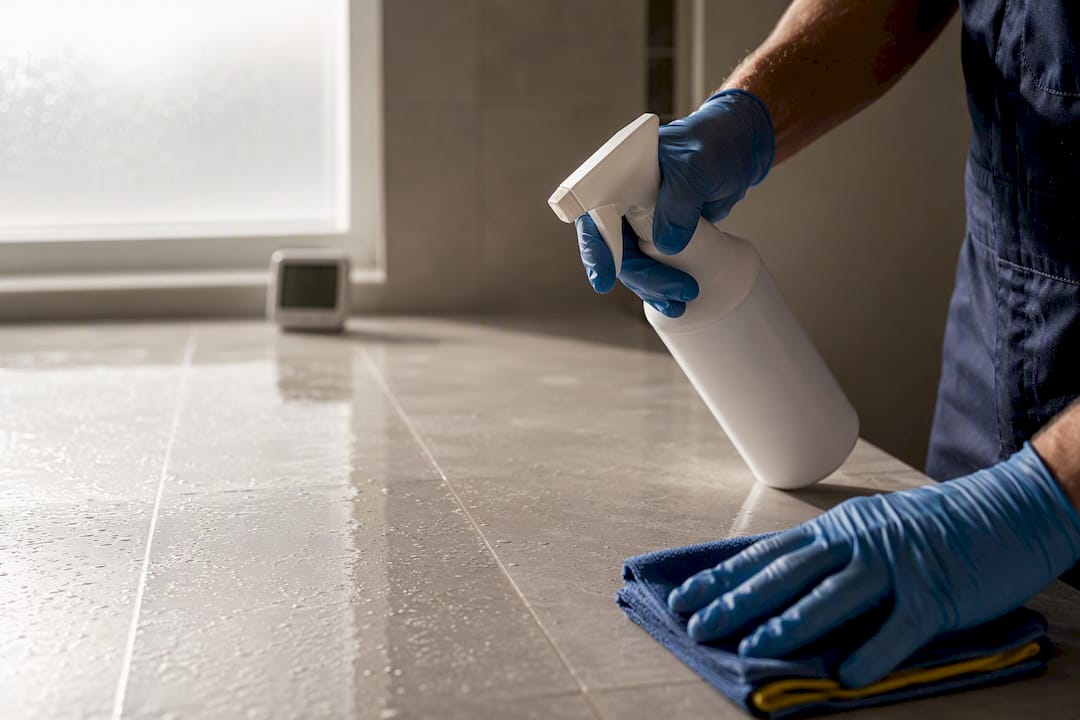
Bleach isn’t always the right call on delicate metals, certain stone, or electronics. In those cases, professional-grade disinfectants formulated for those surfaces do the job without causing corrosion or damage. Speedycons’ sanitization guide walks through when to switch products.
Documenting Damage for Your Insurance Claim
Insurance adjusters work off paper trails, not memory, so build yours before the cleanup starts.
- Photograph and video every affected area before anything is moved, dated and time-stamped if your camera supports it.
- Save every invoice, disposal receipt, and moisture reading generated during the job.
- Request a written scope of work with before-and-after photos from whoever does the restoration.
- Call your insurer early. Standard homeowner policies frequently exclude sewer backup unless you’ve added a specific endorsement, so confirm your coverage before assuming it’s included.
- If a municipal line is the likely cause, notify your local utility or public works department and hold on to any reference or work order number they give you.
When This Stops Being a DIY Job
Some situations call for a phone call, not a mop.
- Sewage has covered a large area or sat for more than 24 hours without extraction.
- Your HVAC system or ductwork has been contaminated.
- Children, older adults, or immunocompromised household members are present.
- You notice structural damage like sagging floors, warped drywall, or ceiling stains.
Waiting rarely saves money. Every extra hour of standing sewage gives mold more time to establish and increases the odds that structural materials need full replacement instead of drying. When vetting a restoration company, confirm they offer genuine 24/7 emergency response, document their process in writing, and can coordinate directly with your insurer.
Why Speedy Construction & Restoration Handles This
Speedycons runs 24/7 emergency response across Toronto and the GTA, so calls get answered and crews dispatched regardless of when the backup happens. Technicians are trained to local building codes and manage each project from initial assessment through final reconstruction, with continuous oversight rather than a hand-off between separate contractors. That same team also publishes practical guidance on managing electrical risks after water damage, reflecting the same safety-first approach applied on every job site.
A Practical Note on What Actually Matters Here
The biggest mistake homeowners make isn’t skipping PPE, it’s underestimating how fast the clock runs. A backup that looks contained at hour two can mean torn-out drywall by hour thirty, simply because moisture sat too long. When in doubt about scope, PPE, or whether an item is salvageable, call a professional instead of guessing. Nobody regrets calling too early.
— Anas
Get Immediate Help From Speedy Construction & Restoration
Speedycons is the direct route to getting a sewage backup handled correctly the first time, without piecing together separate contractors for extraction, demolition, and rebuild. One call covers containment, extraction, removal of contaminated materials, drying, disinfection, and reconstruction support, all managed by the same crew from start to finish.
When you call, you get a site assessment, documentation suited for your insurance claim, and a transparent estimate before work begins, with scheduling built around getting a crew there fast, not next week. If sewage has hit your home or property right now, visit the water damage restoration services page to request immediate emergency response.
This article is general information, not a substitute for advice from a qualified doctor. Consult a qualified healthcare professional about your own circumstances before acting on anything here.
Sources
- Canada
- Cleaning Up After Flood and Sewer Overflows (York Region public health guidance)
- Principles of Decontamination and Disinfection (NCBI/clinical guidance)
Recommended
- Sanitization After Sewage Backup Water Damage: Key Importance
- How Water Damage Restoration Prevents Future Home Risks
- Managing Electrical and Fire Risks After Water Damage
- What Happens If Water Damage Goes Untreated Indoors?
Need professional help? Explore asbestos abatement services.